At a glance
When
Low tide — after winter storms is best
Parking
Compton Bay, free for NT members
Toilets
At the Compton Bay car park
Food
The Sun Inn
If you’re searching for dinosaur footprints there’s no better place than the Isle of Wight. It’s often called “Dinosaur Island” — more than 25 species have been found here, and more bones than anywhere else in Europe.
Huge casts of footprints sit on the beach at Compton and Brook Bay, side by side on the south-west coast. The National Trust looks after them, so please take care of the casts when you visit.
How to find them
01
Before you go
Check the tide
Visit at low tide — the Met Office site has the tide times alongside the weather.
02
///divorcing.gazed.pest
Park at Compton Bay
The bigger car park, with toilets. Pay and display, or scan your National Trust card for free parking.
03
On the beach
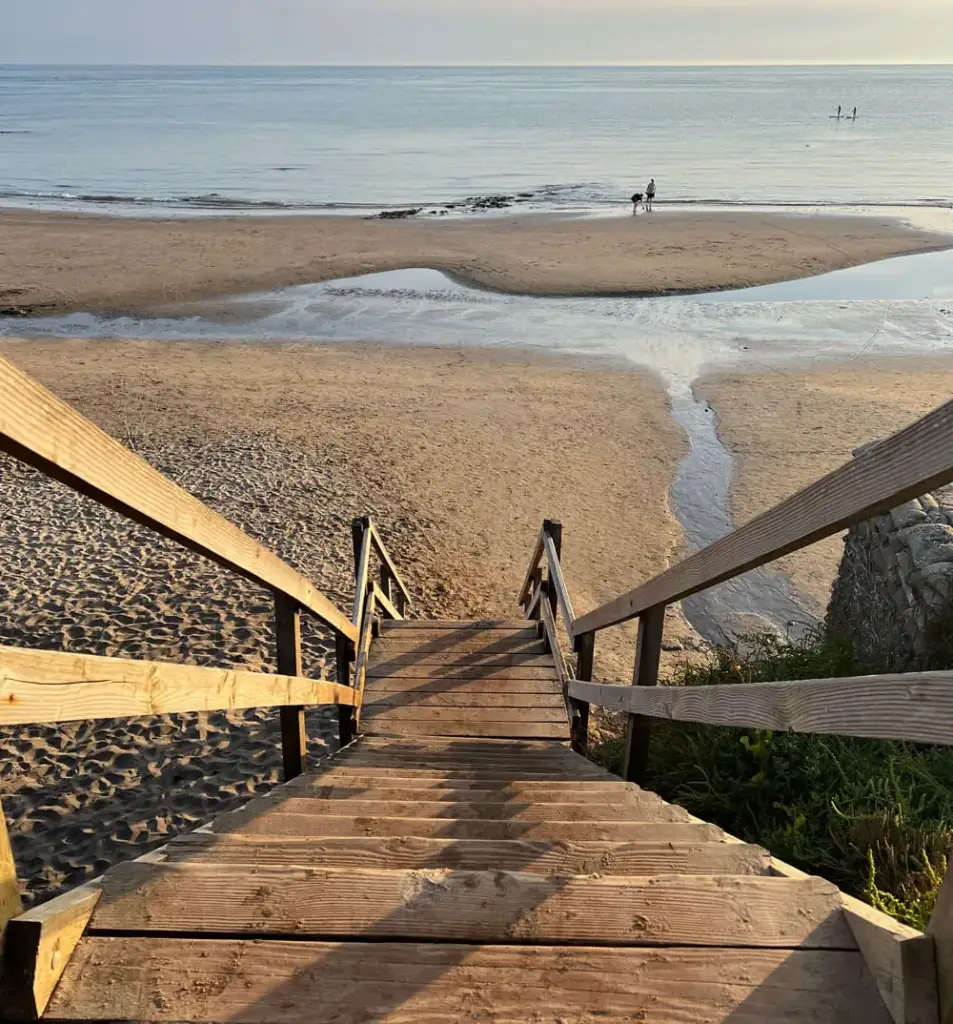
Take the steps and turn left
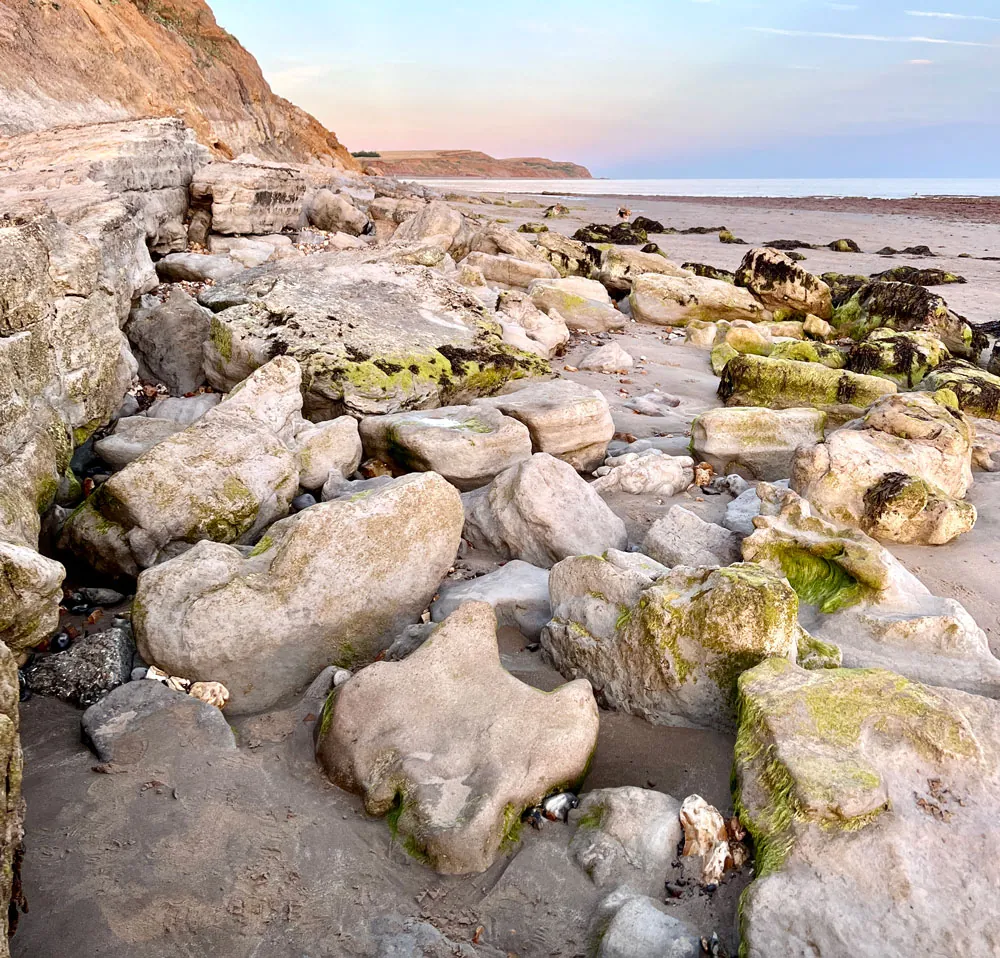
Walk along the beach for 2–3 minutes until you reach a large area of rocks on the sand.
04
The casts
Look closely
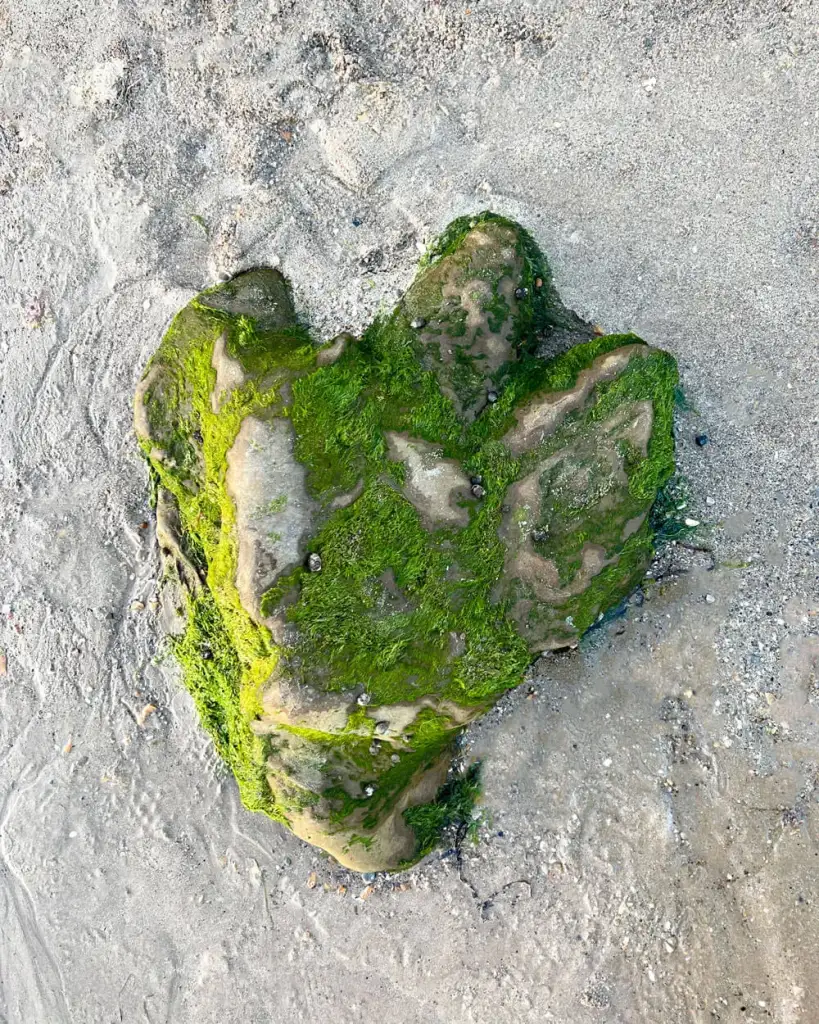
Search the stones around you — some look more footprint-like than others depending on erosion. Two of ours were green with seaweed.
What you’re looking for
The casts
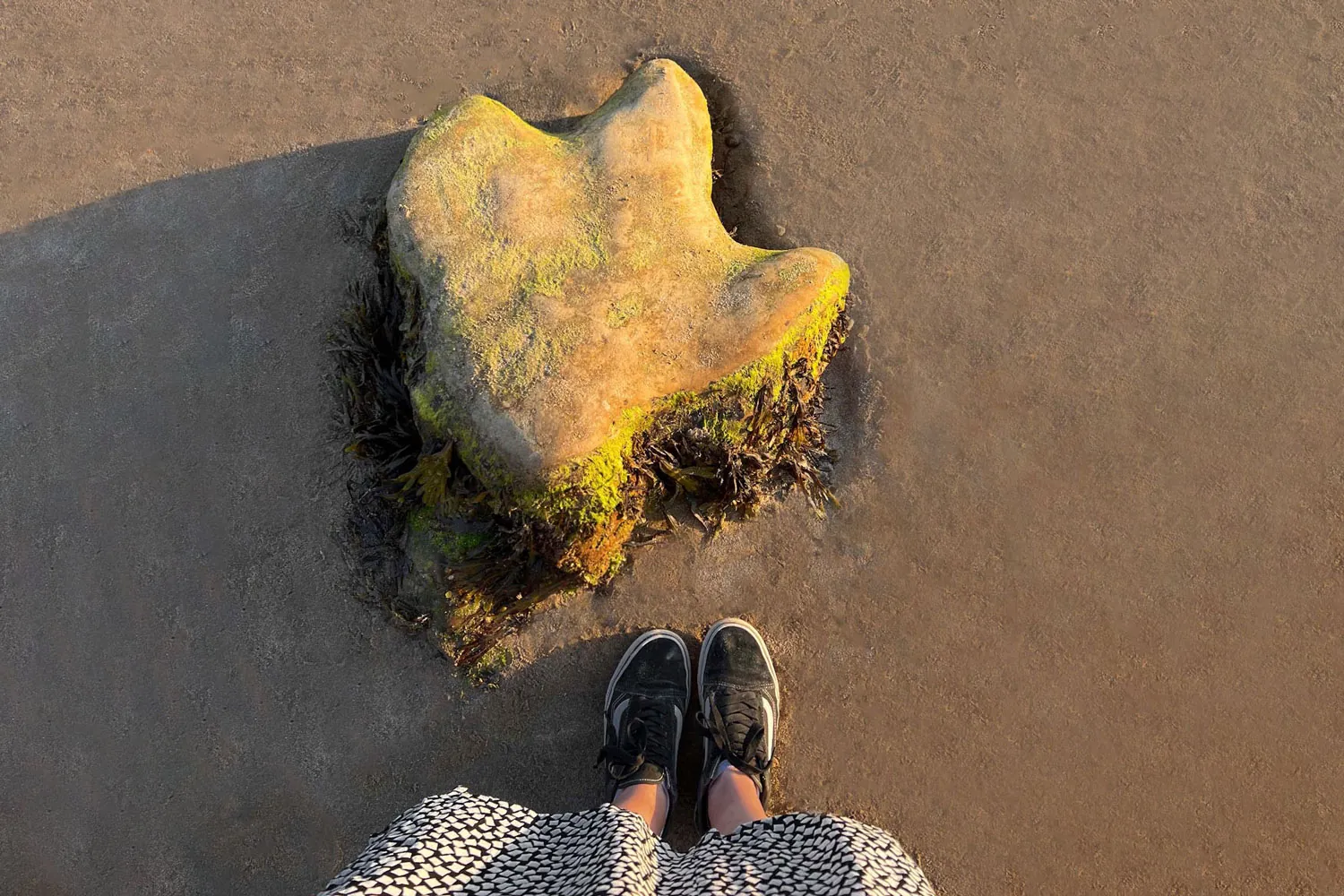
Three-toed Iguanodon prints
30–60cm across, rising about 20cm above the sand — fairly easy to spot once you know.
The season
After a winter storm
Visible all year at low tide, but storms uncover remains that weren’t visible before.
The shoreline
Fossils in the gravel
Up to 10 metres of coast erode every year — look along the shoreline and in loose stones.
The tour
Wight Coast Fossils
Award-winning guided fossil hunts led by experts, for all ages and abilities.
Why they’re here
125 million years ago this was a muddy lagoon — a perfect habitat for dinosaurs. Their footprints filled with sand when the area flooded, and over millions of years they fossilised beneath the sea floor.
The same uplift that created the Alps forced the clay back to the surface, revealing the casts you see today — and more dinosaur remains than anywhere else in northern Europe.
Where to stay
Compton
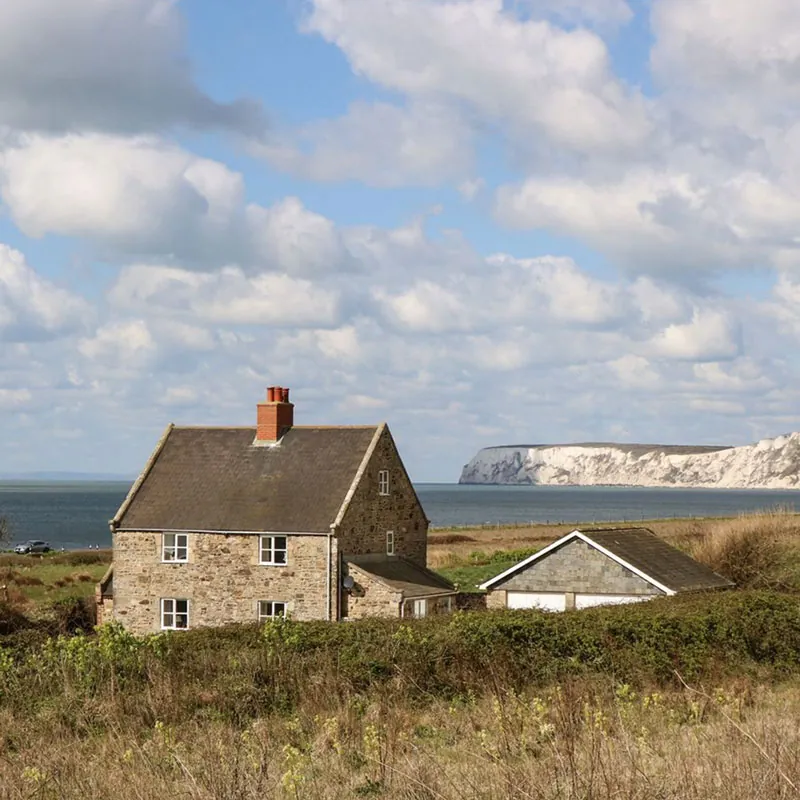
Compton Grange
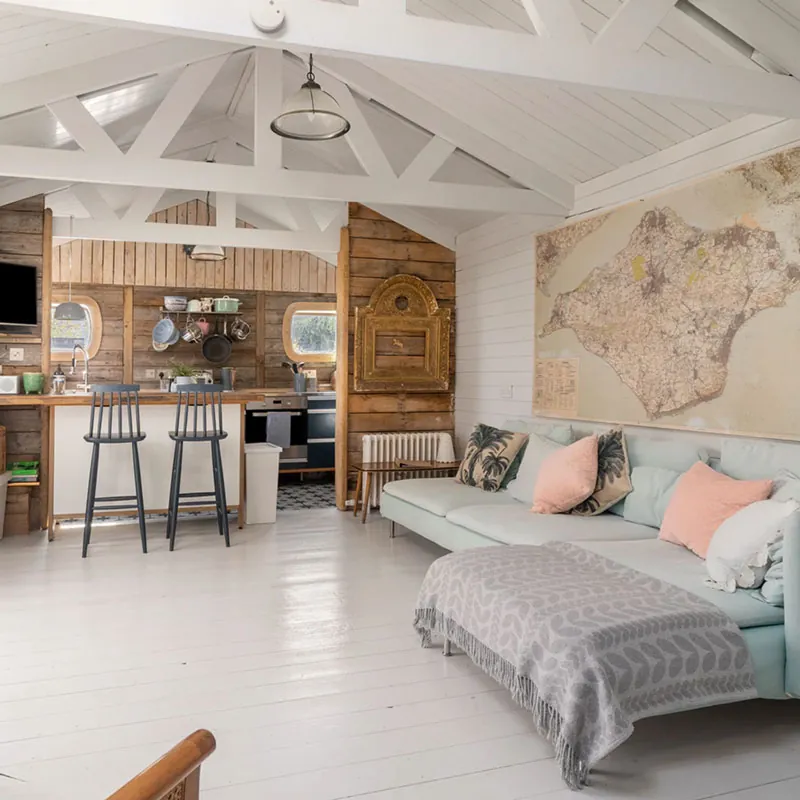
Freshwater Bay
The Cabin
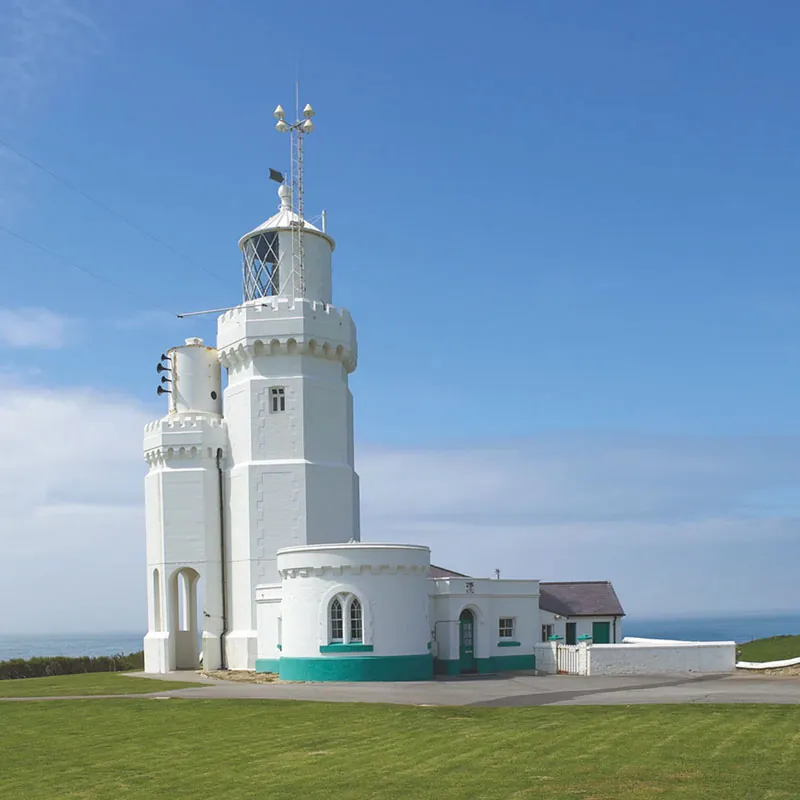
St Catherine’s
Penda Cottage
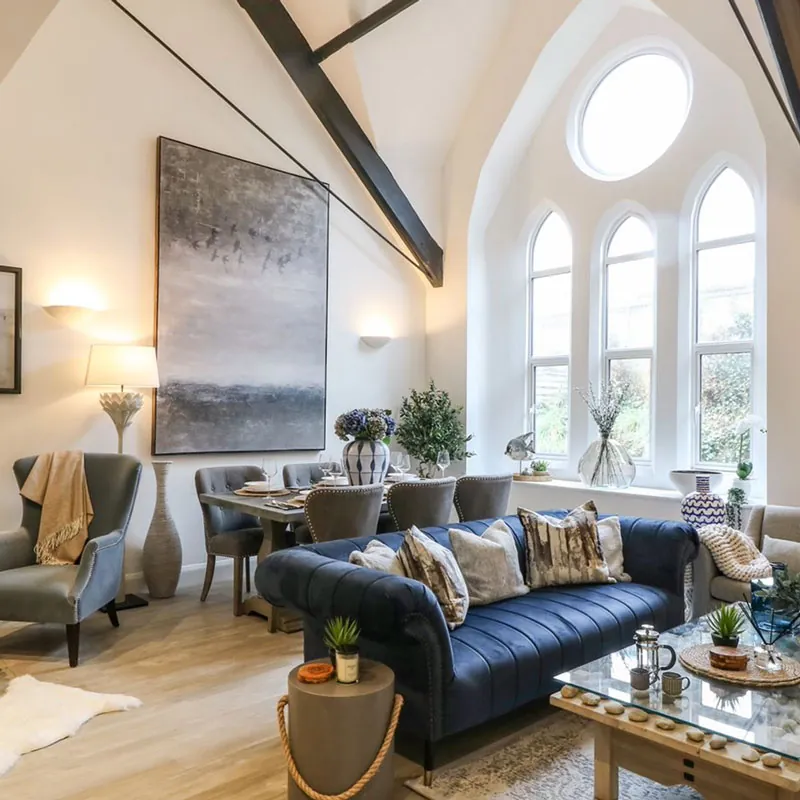
Isle of Wight
Pilgrims Loft
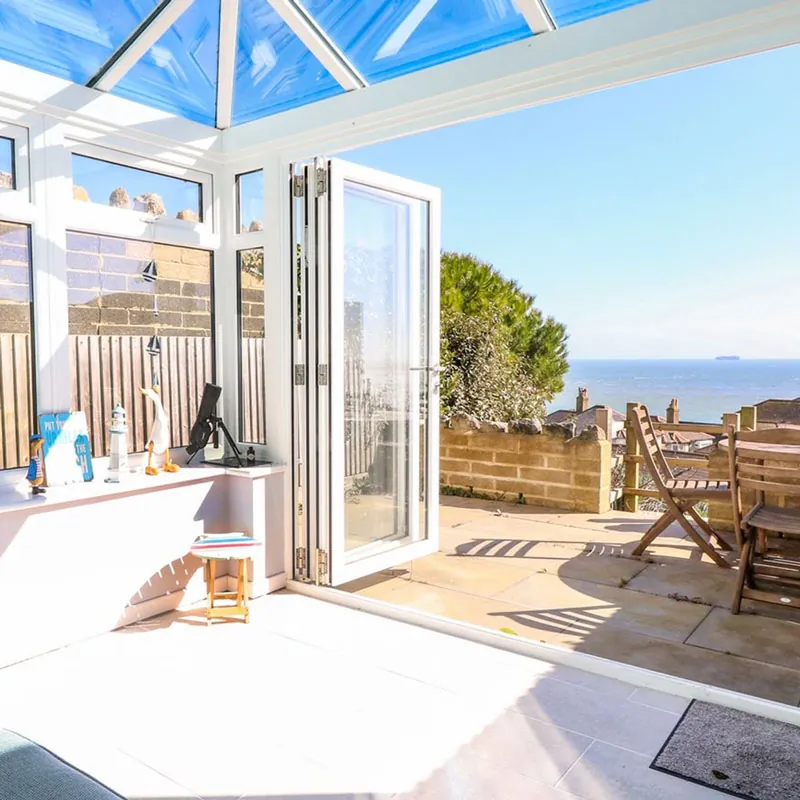
Isle of Wight
Ivy Cottage
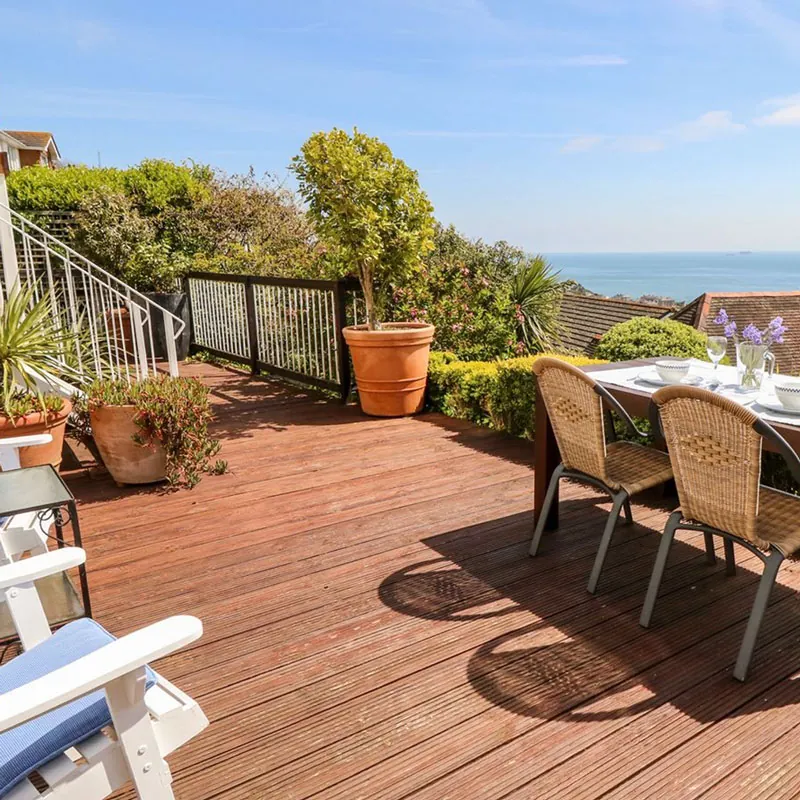
Isle of Wight
The Deck Studio
On the map
Compton Bay, Isle of Wight
Compton parking
///divorcing.gazed.pest
Brook parking
///twins.finest.blotchy
Price
Free for NT members — card or cash
Best at
Low tide
Compton has the larger car park and public toilets by the entrance. Both car parks are pay and display.